




Pool Maintenance
Pool Maintenance Tips For Keeping Your Pool Clean This Summer
We provide a few pool maintenance tips to help you keep your pool clear all summer long.


Summer is the perfect time to open your pool and enjoy a refreshing swim. However, keeping your pool clean and clear requires regular maintenance and care. Different factors, such as the climate, environment, and usage patterns, can impact the cleaning and maintenance needs of your pool. In this article, we will provide you with a list of pool maintenance tips of what you need to know for keeping your pool clean this summer, no matter where you are located.
Pool Maintenance: Essential Tools for Pool Cleaning
Before diving into cleaning your pool, it’s important to have the right tools to keep the water clean and clear. Here are some essential tools you’ll need:
- Skimmer Net: To remove leaves, bugs, and other debris from the surface of the water.
- Pool Brush: To scrub the walls and floor of the pool and remove algae and other buildup.
- Pool Vacuum: To remove debris and dirt that has settled on the bottom of the pool.
- Test Kit: To test the pH, alkalinity, and chlorine levels in the water.
- Chemicals: Such as chlorine, pH adjusters, and algaecides to maintain proper chemical balance and prevent algae growth.
- Pool Filter: To remove small particles and impurities from the water.
- Telescopic Pole: To attach pool cleaning tools and reach different areas of the pool.
- Pool Cover: To keep debris out of the pool when it is not in use.

7 Important Pool Maintenance Tips to Keeping a Clean & Healthy Pool
Regular maintenance and cleaning are necessary to keep your backyard pool in top condition for fun and relaxation during the hot summer months. To help you achieve this goal, here is a step-by-step guide on how to clean your residential pool:

Step 1: Skim Your Swimming Pool
To maintain a clean and hygienic pool, it’s crucial to remove any debris floating on the water’s surface using a pool skimmer net. Here are the main pool maintenance tips to remember:
- Skimming the pool surface regularly prevents debris from sinking to the bottom and making the pool more difficult to clean.
- Use a pool skimmer net to remove leaves, insects, or any other debris from the water surface.
- Check the skimmer basket and empty it regularly to maintain good water circulation and avoid clogging.
- Skim the pool surface before using any other cleaning equipment to avoid stirring up debris that has settled on the pool bottom.
- Make sure to skim the pool surface at least once a day during peak use or when there are high winds and storms.

Skimming your pool surface before cleaning is an essential first step in pool maintenance. This initial process helps to remove leaves, insects, and other debris from the water’s surface, preventing clogs in your pool cleaning equipment. Furthermore, debris left in the pool can lead to the growth of bacteria and other harmful organisms, posing a health risk to swimmers. Additionally, a pool with debris floating on the surface looks uninviting, and regular skimming can help to maintain the pool’s appearance.
Recommended Products:
No products found.
No products found.
No products found.
No products found.
Step 2: Brush Your Pool Interior
To remove any algae or dirt buildup from the pool walls and floor, use a pool brush to scrub the surfaces thoroughly. Areas that are shaded or not well-circulated need extra attention as they are more prone to algae growth. Consider the following pool maintenance tips when choosing the right brush for your pool:
- The type of brush you need will depend on the surface of your pool.
- If your pool surface is unpainted concrete, use a brush with both stainless steel and nylon bristles.
- For gunite pools, a brush with stainless steel bristles is recommended.
- For fiberglass, vinyl, or painted concrete surfaces, use a brush with nylon bristles only.

Selecting the right brush for your pool surface is critical to effectively remove debris, algae, and other buildup, ensuring a clean and clear pool.
When brushing your pool, here are three things to keep in mind:
- Pay extra attention to shaded or poorly circulated areas, as these areas are more likely to develop algae growth and require more frequent brushing.
- Choose the appropriate brush for your pool surface material to avoid damage and ensure effective cleaning.
- Use overlapping strokes and apply enough pressure to remove any buildup or debris from the walls and floor of the pool.
Recommended Products:
No products found.
No products found.
No products found.
No products found.
Step 3: Vacuum Your Swimming Pool
To remove any debris or dirt that has settled on the pool bottom after brushing, use a pool vacuum. If your pool has a built-in vacuum system, follow the manufacturer’s instructions for proper use. If not, you can use either a manual or a handheld pool vacuum that attaches to your pool’s filter system.

Here are some important pool maintenance tips to keep in mind when vacuuming your pool:
- Brush the walls and floor of the pool before vacuuming to loosen any debris or dirt that has accumulated.
- If you’re using a manual pool vacuum, make sure to prime it before connecting it to the pool filter system.
- Move the vacuum slowly and methodically to ensure thorough cleaning of the pool floor and walls.
- Pay special attention to corners, steps, and other hard-to-reach areas.
- If you’re using an automatic pool vacuum, check the filter regularly and clean or replace it as needed.
- Empty the vacuum bag or collection container regularly to prevent it from becoming clogged.
- Be careful not to vacuum up any large debris that could damage the vacuum or clog the pool filter system.
- Keep an eye on the water level in the pool and adjust it if necessary to ensure the vacuum is functioning properly.
Manual and automatic pool vacuums are the two most popular options consumers will choose for vacuuming their pool. A manual pool vacuum requires more effort and time to clean the entire pool, while an automatic pool vacuum moves around the pool and cleans the surfaces, saving time and energy. Both options can be effective, but the choice ultimately depends on personal preference and budget. Automatic pool vacuums are generally more expensive, but they save time and energy, while manual pool vacuums are more affordable and give you more control over the cleaning process. Ultimately, one of the smartest pool maintenance tips we can offer here is to choose the option that works best for your specific pool cleaning needs.
Recommended Products:
No products found.
No products found.
No products found.
No products found.
Step 4: Check Your Pool Filter
Regular maintenance of your pool’s filter is important for keeping the pool water clean and free of small particles. Depending on the type of filter, you may need to clean or replace it periodically. Some filters can be backwashed or hosed off to remove debris, while others require replacement. It is essential to check the filter regularly and take appropriate action when necessary to keep your pool in top condition.
Checking and cleaning the pool filter is an essential step in keeping the pool clean and safe to swim in. The pool filter is responsible for removing small particles, debris, and contaminants from the water, which helps to prevent the growth of harmful bacteria and algae. Over time, the filter can become clogged with debris, which reduces its effectiveness and can lead to poor water quality. A clogged filter can also put a strain on the pool’s pump, which can lead to costly repairs.

By regularly checking the filter, you can catch any problems early on and address them before they become more serious. This can help to extend the life of the filter and keep the pool water clean and healthy.
Follow these helpful pool maintenance tips for cleaning your pool filter:
Cleaning Cartridge Filters:
- Turn off the pool pump and power source.
- Remove the cartridge filter from the filter housing.
- Hose off any loose debris and dirt from the filter cartridge.
- Fill a large bucket with water and add a filter cleaning solution.
- Place the cartridge filter in the bucket and soak it for the recommended time on the solution label.
- Remove the cartridge filter from the solution and rinse it thoroughly with a hose.
- Reinstall the cartridge filter in the filter housing.
- Turn on the pool pump and power source.
Cleaning DE Filters:
- Turn off the pool pump and power source.
- Remove the DE filter from the filter housing.
- Open the filter and remove the DE filter grids or fingers.
- Hose off any loose debris and dirt from the DE filter grids or fingers.
- Fill a large bucket with water and add a filter cleaning solution.
- Place the DE filter grids or fingers in the bucket and soak them for the recommended time on the solution label.
- Remove the grids or fingers from the solution and rinse them thoroughly with a hose.
- Reinstall the DE filter grids or fingers in the filter housing.
- Add new DE powder to the filter, following the manufacturer’s instructions.
- Reinstall the DE filter in the filter housing.
- Turn on the pool pump and power source.
Cleaning Sand Filters:
- Turn off the pool pump and power source.
- Backwash the filter by turning the valve to the backwash position and running the pump for several minutes until the water runs clear.
- Turn off the pump and turn the valve to the rinse position. Run the pump for 30 seconds.
- Turn off the pump and turn the valve back to the filter position.
- Remove the sand filter cap or top and clean out any debris from the top of the sand.
- Add a filter cleaning solution to the filter, following the manufacturer’s instructions.
- Let the solution sit in the filter for the recommended time on the solution label.
- Backwash the filter again until the water runs clear.
- Turn off the pump and turn the valve to the rinse position. Run the pump for 30 seconds.
- Turn off the pump and turn the valve back to the filter position.
- Replace the sand filter cap or top.
- Turn on the pool pump and power source.
Recommended Products:
No products found.
No products found.
No products found.
No products found.
Step 5: Test Your Water Chemistry
Proper chemical balance is essential for keeping your pool clean and safe to swim in. Use a pool testing kit to check the levels of chlorine, pH, and alkalinity in the water. Adjust the levels as needed using pool chemicals.

Pool Maintenance Tips: Testing Your Pool Water With a Test Kit
Here are some pool maintenance tips for testing your water chemistry with a pool test kit:
- Follow the instructions: It is important to carefully read and follow the instructions that come with your pool test kit. Different kits may have different procedures and testing methods.
- Use clean equipment: Make sure the test kit and any other equipment used to collect the water sample are clean and free of any debris or residue.
- Collect water sample: Collect a water sample from elbow depth, halfway between the surface and bottom of the pool, in a clean container.
- Test for pH: Test the pH level of the water first as it affects the effectiveness of other chemicals used in the pool. The ideal pH range is 7.2 to 7.8.
- Test for chlorine: Test the chlorine level in the pool water. The ideal range for chlorine is 1 to 3 ppm (parts per million).
- Test for alkalinity: Test for total alkalinity, which should be between 80 and 120 ppm.
- Test for calcium hardness: Test for calcium hardness, which should be between 200 and 400 ppm.
- Record the results: Record the results of each test in a log or notebook, so you can track any changes or trends in your pool’s water chemistry over time.
- Adjust the chemicals: If any of the test results are outside of the ideal range, adjust the chemicals accordingly following the manufacturer’s instructions.
- Retest after chemical adjustments: Wait a few hours after making chemical adjustments, and then retest the pool water to ensure the levels are within the ideal range.
Recommended Products
No products found.
No products found.
No products found.
No products found.
Step 6: Shock Your Pool
One of the most important pool maintenance tips we can offer applies to how and when to shock your pool At times, your pool may require a “shock” treatment to eliminate bacteria or algae that may not respond to regular chlorine treatments. This process is particularly important after heavy usage or after a period of neglect or heavy rainfall.

General Pool Maintenance Tips For Shocking Your Swimming Pool:
- Test your pool water to determine the current chlorine and pH levels. The ideal pH range is 7.2 to 7.8, and the chlorine level should be between 1 and 3 ppm (parts per million).
- Choose a shock treatment product appropriate for your pool size and type.
- Put on protective gloves and clothing to avoid skin and eye irritation.
- Follow the product instructions for adding the shock treatment to the pool. Some products may require you to pre-dissolve the shock treatment in a bucket of water before adding it to the pool.
- Turn on your pool pump and let it run for at least 4-6 hours to circulate the shock treatment throughout the pool.
- Retest your pool water after 24 hours to make sure the chlorine and pH levels have returned to the normal range. If necessary, add additional chemicals to balance the water chemistry.
It’s important to follow the specific instructions for the shock treatment product you are using, as different products may have different application rates and procedures.
Recommended Products
No products found.
No products found.
No products found.
No products found.
Step 7: Establish a Pool Maintenance Routine
Regular pool maintenance is important for a variety of reasons. First and foremost, it ensures that your pool remains clean and safe for swimming. Without regular maintenance, algae and bacteria can quickly build up, making the water murky, unappealing, and potentially dangerous to swim in. In addition, regular maintenance can extend the life of your pool equipment and save you money on costly repairs down the line.

Hiring a Pool Service Company to Maintain Your Swimming Pool
However, regular pool maintenance can be a time-consuming and labor-intensive task, requiring a significant investment of time, energy, and resources. This is why some pool owners may choose to hire a professional pool maintenance service. A professional can ensure that your pool is properly cleaned and maintained on a regular basis, saving you time and effort while providing you with peace of mind that your pool is always in top condition.
When choosing a professional pool maintenance service, it’s important to look for a company with experience and expertise in the field. A reputable pool maintenance service should have a thorough understanding of pool chemistry, equipment, and maintenance procedures. They should also have the necessary equipment and tools to perform all necessary maintenance tasks, from skimming and brushing to testing and balancing water chemistry.

Ultimately, regular pool maintenance is essential for ensuring the longevity and safety of your pool. Whether you choose to maintain your pool yourself or hire a professional, it’s important to stay on top of regular maintenance tasks to keep your pool pristine. We hope this article has provided you with some useful pool maintenance tips you’ll need to keep your pool healthy, clean, and in sparkling blue condition all summer long.


Cleaning and Service Equipment and Supplies
Spring Startup Meets Smart Automation With The Attendant
Spring startup meets smart automation with The Attendant, a platform helping improve monitoring, efficiency, water quality, and control.

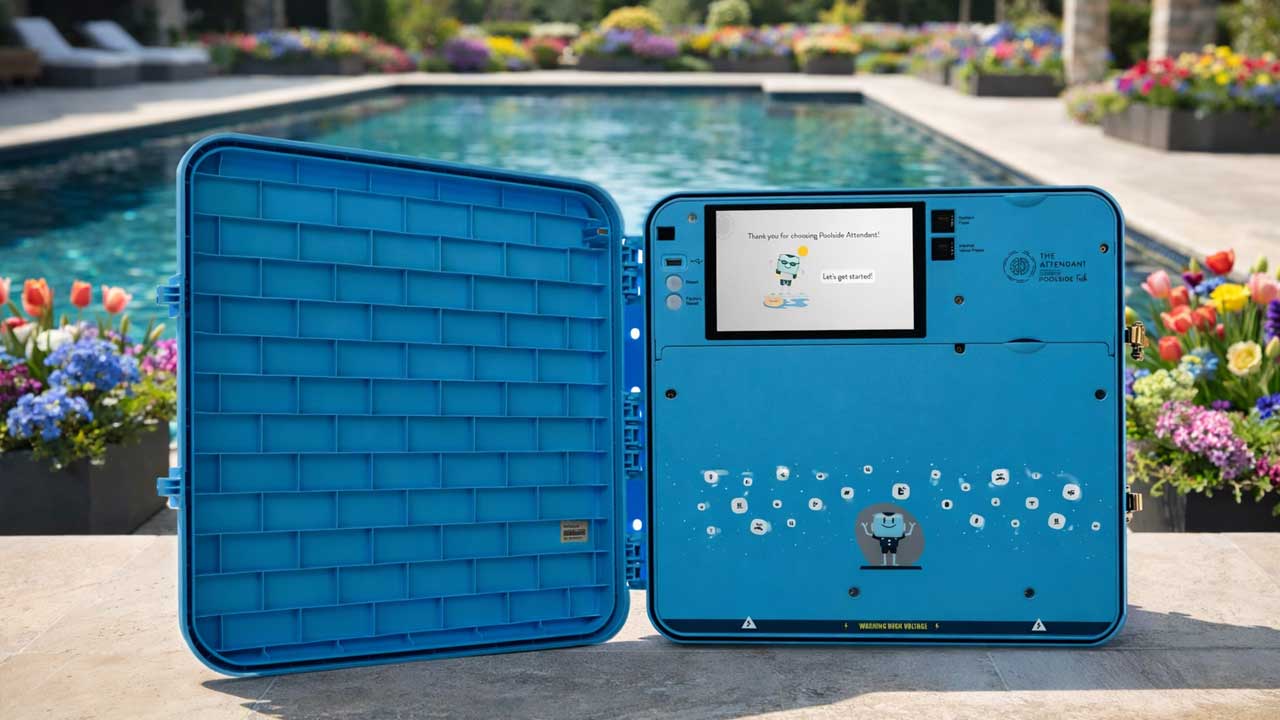
As spring approaches and the pool season begins to ramp up, automation quickly rises to the top of the list of topics pool professionals discuss with homeowners. Customers want pools that are easier to manage, more efficient to operate, and capable of maintaining consistent performance without constant attention.
For builders and service companies, automation offers a different kind of value. Connected systems can provide better visibility into equipment performance, reduce troubleshooting time, and help identify issues before they turn into costly service calls.
It’s no surprise that the topic continues to dominate conversations heading into every pool season.

Over the past few years, one of the pool automation platforms gaining attention among pool professionals is The Attendant, a connected automation and monitoring system developed by Poolside Tech. The platform combines equipment automation with system monitoring and data visibility, creating a tool designed to help both homeowners and service professionals better understand how their pools are operating.
While many automation systems are designed around specific equipment ecosystems, Attendant was built to integrate with a wide range of pool equipment, giving builders and service companies flexibility when designing or upgrading equipment pads.
But compatibility is only part of the story.
The larger goal behind the platform is to expand the role automation plays in how pools are monitored and maintained.
“Automation used to basically turn things on and off,” explained Ben Forrest of Poolside Tech. “Now we’re talking about systems that think, adapt, and prevent problems before they happen.”


Building an Intelligent Pool System
Traditional automation systems have historically focused on equipment control. Pumps can be scheduled to run at certain times, heaters can be turned on remotely, and lighting systems can be coordinated through a mobile app.
The Attendant builds on that concept by introducing a deeper layer of monitoring and diagnostics.
Through connected sensors and equipment integration, the system collects operational data from the equipment pad and makes that information accessible through a cloud-connected interface. Homeowners and service professionals can observe how pumps, heaters, and other components are operating in real time, providing insight that goes far beyond simple scheduling.
For service professionals, that level of visibility can change how pools are managed. Instead of discovering issues during routine weekly visits, technicians can receive alerts when equipment begins to behave outside its normal operating range.
A pump drawing unusual power, a heater cycling incorrectly, or changes in water conditions can trigger notifications that allow technicians to respond quickly—often before the homeowner even realizes something is wrong.
For homeowners, the system provides peace of mind that their pool is being monitored continuously rather than only during scheduled service visits.
The Attendant Product Line
Poolside Tech has developed several versions of the Attendant platform designed to support different types of installations.
The Attendant
At the center of the lineup is the flagship Attendant controller. Designed for installations where multiple pieces of equipment must operate together, the system functions as a central hub capable of coordinating pumps, heaters, valves, and sensors while collecting operational data about how the system is performing.

Because the platform is cloud-connected, both homeowners and service professionals can access system data remotely through the Attendant interface. Instead of relying solely on periodic inspections at the equipment pad, users can observe system performance in real time.
The goal is to move automation beyond fixed schedules and toward systems that provide a clearer picture of how equipment is operating throughout the day.
The Attendant Mini & The Attendant Mini + Chemistry
For installations that do not require the full scale of the flagship controller, Poolside Tech offers a compact alternative in the Attendant Mini.
The Attendant Mini delivers many of the same monitoring and automation capabilities in a smaller footprint designed for residential equipment pads. Despite its size, the system still integrates with pumps, heaters, and monitoring devices while providing remote access and system alerts through the Attendant platform.

For pool pros, the Attendant Mini offers an accessible entry point for introducing connected automation to residential customers without requiring the larger automation cabinets typically associated with advanced systems.
The platform expands further with the Attendant Mini + Chemistry configuration.
This version incorporates probe-based sensors that continuously monitor water balance parameters such as pH and sanitizer levels. Instead of relying exclusively on manual testing during service visits, the system provides ongoing readings that allow service professionals to observe trends in water chemistry over time.
“If a builder offered homeowners a system that keeps chlorine and pH perfect no matter how many kids are in the pool,” Forrest said, “almost everyone would say yes—as long as it’s affordable.”
By integrating water monitoring with equipment automation, the Attendant platform aims to help service professionals maintain more consistent water conditions while reducing the guesswork that often accompanies traditional testing routines.
Building Momentum Across the Industry
While the Attendant platform has steadily evolved over the past several years, Poolside Tech has also been working to introduce the technology directly to the professionals who build and service pools every day.
In recent seasons, the company has made a strong presence at industry trade shows, conferences, and educational events, demonstrating the platform to builders, service companies, and distributors across the country.
Those efforts have helped Poolside Tech build a growing network of partnerships across the pool industry, beginning with major manufacturers like Latham and extending to distribution relationships with organizations such as POOLCORP and Heritage Pool Supply.
The company has also developed connections with several prominent industry buying groups, including Carecraft, United Aqua Group (UAG), and Master Pools Guild (MPG). These organizations help introduce new technologies to members who are continually looking for tools that can improve operational efficiency and customer experience.

Pool Pros Embracing Connected Automation
Service companies have also begun exploring how connected monitoring platforms can improve day-to-day operations. Organizations such as Poolwerx are working with Poolside Tech in their efforts to streamline service routes, reduce troubleshooting time, and provide greater visibility into pool performance between service visits.
Companies such as Shasta Pools are also exploring how connected monitoring platforms can support both sides of their operation. As a company that builds pools while also maintaining a large service and repair division, Shasta is working with Poolside Tech to adopt automation and monitoring technology that gives homeowners greater visibility into how their pool systems are performing while helping technicians keep a closer eye on equipment between service visits. For Shasta, integrating connected automation is part of a broader effort to improve the long-term ownership experience as smart home technology continues to expand into the backyard.
A Changing Landscape for Pool Automation
Automation has come a long way from the simple timers that once controlled pumps and heaters.
Today’s connected systems provide real-time insight into equipment performance, allowing homeowners and service professionals to monitor pools more effectively than ever before.
Platforms like Attendant represent an evolution in how automation is being designed—combining equipment control, monitoring, and operational data into a single connected environment.
As the new pool season approaches and automation once again becomes a central topic of conversation, it’s clear that the technology is continuing to evolve.
That’s why this spring, the goal is no longer just convenience. It’s making pools easier to manage, more efficient to operate, and better understood by the people responsible for keeping them running.
Photo Credits: Poolside Tech, Latham

When a green pool is simply left to turn into a stagnant, algae-infested basin, it isn’t just an eyesore—it can become a serious public-health and legal hazard. Neglected pools serve as ideal breeding grounds for mosquitoes capable of transmitting diseases such as West Nile virus and Zika virus.
From a pool-industry perspective, the issue is clear: an unmaintained pool is not simply a dormant asset—it can generate liability, drive down property values, invite municipal code enforcement, and create safety hazards beyond the usual concerns of drowning, slip-and-fall, or equipment failure.
Neighbor’s Viral Photo Raises Questions About Pool Neglect and Liability
After a photo of a backyard pool completely overtaken by algae and vegetation began circulating on Reddit, it quickly became a viral talking point. The photo wasn’t taken by a passerby or an inspector—it was snapped by a frustrated neighbor fed up with living next to what had become a swamp. The homeowner had apparently abandoned their pool a decade ago, leaving it to fill with algae, debris, and rainwater until nature completely reclaimed it.

When the neighbor shared the image online, the post went viral, and commenters couldn’t believe it was once a swimming pool. Many asked how anyone could be allowed to let their pool reach that point and why local authorities hadn’t stepped in. Beyond the shock factor, the discussion struck a nerve—it wasn’t just about aesthetics, but about responsibility, public health, and the fine line between private property rights and community wellbeing.
Homeowner Responsibilities When a Pool Is Neglected
In many jurisdictions, local codes define standing water that can breed mosquitoes as a “public nuisance.” For example, the City of Los Angeles Municipal Code states that any standing water on private property that has become a breeding source for mosquitoes is declared a public nuisance and an immediate threat to public health.
Similarly, under California law, county health-agency information sheets note that neglected swimming pools may produce millions of potentially infected mosquitoes and that local vector-control agencies may enact abatement proceedings, impose fines of up to $1,000 per day, or place a lien on the property.
In short, a homeowner who allows a pool to remain stagnant and untreated may find themselves subject to enforcement action, abatement costs, and fines or judgments.
Code Enforcement & Abatement Processes
In the City of Huntington Park, California, ordinances require property owners to maintain swimming pools in a manner that does not allow mosquito breeding, including emptying or keeping dry any pool that is abandoned or not in service. Violations are considered infractions punishable by fines.

In Los Angeles, vector-control authorities can issue a 72-hour notice to secure and abate the nuisance; failure to comply can result in misdemeanor charges. The municipality may then perform the abatement work and bill the cost to the property owner, often adding administrative surcharges.
For pool builders, remodelers, and service contractors, this highlights a key education point: failing to act is not just the homeowner’s problem—it can quickly become a legal one.
General Liability: Premises & Attractive Nuisance
Beyond mosquito-vector issues, neglected pools still carry the classic “attractive nuisance” liability. Legal experts note that when a property includes a feature likely to attract children—such as a pool—a homeowner owes an increased duty of care, and failure to maintain it may heighten civil liability.
Combine that with visible neglect (green water, unsecured fencing, vegetation overgrowth), and a homeowner may face multiple forms of exposure: vector control, code violation, and premises liability.
Public Health & Neighborhood Impacts
From a public-health standpoint, a single neglected pool can become a prolific mosquito nursery. Health agencies report that mosquito eggs can hatch in as little as 7 to 10 days in stagnant water, and that one neglected pool can produce millions of mosquitoes in a single summer.
Neighborhoods and HOAs should take note: one person’s abandoned pool quickly becomes everyone’s problem. Municipalities are increasingly monitoring such sites, especially in areas prone to vector-borne disease.
Practical Alternatives: What Should Homeowners Do Instead?
Evaluate: Remove, Mothball or Maintain?
When a homeowner asks what to do instead of watching their green pool turn into a mosquito resort, the answer depends on intent and condition. Three main strategies emerge.
1. Full Removal or Back-fill
If the pool is no longer in use and there’s no plan to service it, complete removal or back-fill may be the most responsible course. The Pool & Hot Tub Alliance recommends draining, filling, and rendering an abandoned pool incapable of holding standing water.
From a liability standpoint, this eliminates the basin, the standing-water hazard, and ongoing obligations.
2. Mothballing (Seasonal Maintenance and Covering)
If the pool might be used again, seasonal maintenance and proper covering is the practical alternative. This means keeping water circulating and sanitized, using a secure ASTM-rated safety cover, removing debris, and ensuring no place for stagnant water to accumulate.
Simply covering a pool with a loose tarp isn’t enough; water can still collect on the surface, providing mosquito habitat and a drowning hazard.
3. Active Maintenance (In-Use Strategy)
If the pool remains in use, standard maintenance applies: circulation, filtration, sanitation, and algae control. Even when not used daily, the system cannot simply be turned off. Well-maintained pools eliminate food sources for mosquito larvae and reduce the chance of infestations.
Annual inspections or off-season maintenance remain good practice for responsible homeowners.
Role of Pool Builders and Service Companies
This topic creates a strong value-add opportunity for pool professionals. Educate homeowners about the risks of abandonment, offer winterization or closure plans, and provide turnkey removal options. Present written proposals outlining costs, compliance issues, and long-term benefits. Helping clients make informed decisions reduces liability for both homeowner and contractor.
Neighborhood and Public-Health Impact
| Condition of Pool | Mosquito Breeding Risk | Potential Legal/Code Consequence |
|---|---|---|
| The pool is fully maintained and in use | Minimal – filtration and sanitizer remove larvae | Standard homeowner liability (fencing, drowning) |
| Pool inactive but drained/back-filled | Low – no standing water | Low code-risk if properly closed |
| The pool is inactive but covered, yet water remains | Medium-high – water on the cover or basin supports breeding | Moderate code risk unless cover meets safety specs |
| Pool inactive, no maintenance, green water | High – millions of larvae possible | High risk of abatement, fines, lien, or criminal sanction |
| Pool inactive, unsecured, green water | Very high – drowning + vector hazard | Highest risk: multi-agency enforcement |
Key Takeaways
• Neglecting a green pool can lead to fines, liens, or criminal penalties.
• Every homeowner must decide responsibly: maintain, mothball, or remove.
• Doing nothing is the riskiest and costliest choice.
• For professionals, this is an educational moment to reinforce that pools require stewardship—not abandonment.
Final Thoughts
When a homeowner says, “I’m just going to stop using it and let nature take its course,” what they are really doing is inviting legal and environmental trouble. For the pool industry, this is an opportunity to emphasize that our role extends beyond construction and service—we also help protect communities from public-health hazards.
A neglected pool isn’t just unsightly; it’s a potential liability and a vector-control issue. By guiding homeowners toward maintenance, proper closure, or removal, we help preserve not only their property but also the well-being of their neighbors.
Feature Photo Credit: Reddit
Op Editorials
Acid Washing Safety: What Every Pool Pro Should Know


There’s something deeply satisfying about seeing a dull, stained pool surface turn bright and clean again after a good acid wash. It’s like hitting the reset button on a pool that’s seen better days. But as any seasoned pool pro knows, this powerful process comes with some serious risks.
Acid washing uses muriatic acid (hydrochloric acid)—a chemical strong enough to dissolve mineral buildup, algae, and stains. That same strength, though, can cause burns, lung damage, and serious injuries if not handled the right way. Knowing how to stay safe isn’t just a good idea—it’s essential for protecting yourself, your crew, and your customers.
Why You Can’t Cut Corners on Safety
Muriatic acid is no joke. A splash on your skin or a breath of concentrated fumes can do real harm in seconds. It can also eat away at pool finishes and metal fixtures if it’s not used properly. The goal is to make the pool look better—not cause damage or danger along the way.

When you follow safety protocols, you’re not just checking boxes—you’re building a reputation for professionalism and responsibility that customers notice.
Safety Basics Every Pool Pro Should Practice
1. Paperwork Isn’t Just Paperwork
Before you start mixing anything, make sure your Hazard Communication Program is up to date. Have Safety Data Sheets (SDS) for every chemical you use, and double-check that all containers are clearly labeled. This may seem tedious, but if something goes wrong, this documentation can be a lifesaver—literally and legally.

2. Dress Like You Mean It
When you’re handling acid, jeans and sunglasses aren’t enough. You’ll need:
● Acid-resistant gloves (rubber or neoprene)
● Chemical splash goggles and a face shield
● Long-sleeved acid-resistant clothing or a Tyvek suit
● Closed-toe, chemical-resistant boots
● A respirator with acid-gas cartridges if ventilation isn’t great
It might not be a fashion statement, but it’s definitely a safety statement.

3. Let It Breathe
If you’re working in an indoor pool or a deep end, acid fumes can build up fast. Always use fans, open doors and windows, and wear a respirator if needed. OSHA even considers an acid-washing pool a permit-required confined space—so don’t take chances. When in doubt, step out and get fresh air.

4. Mix with Care
There’s one golden rule every pool pro should memorize: Always add acid to water—never water to acid. Doing it backwards can cause an instant, violent reaction that splashes acid everywhere. Mix outdoors, use plastic containers, and keep people (and pets) far away while you work.

5. Be Kind to the Environment
Once you’ve finished the wash, it’s time to neutralize the leftover acid with sodium bicarbonate (baking soda). Never let untreated acid flow into a storm drain or onto the lawn. Not only is that harmful, it can also get you in trouble with local environmental agencies. Take a few extra minutes to neutralize properly and practice disposal according to local rules.

Two Is Better Than One
Whenever possible, don’t go it alone. Have another technician on deck while you’re in the pool. That second person can pass tools, monitor fumes, or call for help if something unexpected happens. It’s simple teamwork that makes the job safer for everyone.

Be Ready for the “What-Ifs”
Even with the best precautions, accidents can happen. Make sure you have:
● An eye wash station or portable eyewash bottle within arm’s reach
● A fresh water source nearby for rinsing skin or eyes
● A neutralizing agent like baking soda ready to go
● Up-to-date first-aid training for handling chemical exposure
At Pool Troopers in Tampa, FL, for example, every employee is issued proper safety gear and trained on SDS procedures—an approach all pool companies can learn from.

The Bottom Line
Acid washing is one of the most dramatic makeovers you can give a pool—but it’s not something to take lightly. The right preparation, gear, and mindset make all the difference between a successful job and a dangerous one.
If you’re looking to sharpen your safety skills, check out the OSHA 10 Course for Pool Pros that I offer through Space Coast Pool School. It’s a great way to stay informed, stay compliant, and most importantly—stay safe.
Read the Fall Issue of Pool Magazine

See more of our coverage in your search results
 Sponsored Advertisement
 Aiper Advances the Intelligent Pool Cleaning with Evolved AI and Solar Automation at PSP Expo 2026
 Pool Magazine Announces Strategic Partnership with MyEstimator.pro to Provide Real-Time Pool Pricing
 Solenis to Unveil Revolutionary Smart Pool Technology at PSP Expo
 Pool Corporation to Acquire Team Horner, Expanding Distribution Network in Florida
 PHTA Announces 2027 Board of Directors
 Poolwerx Opens Second Northeast Florida Store on Amelia Island
 Pool Industry Heads to New Orleans for the 2026 PSP Expo
 Structure Studios Launches Version 4 of Its Professional Pool and Landscape Design Software Suite
 Landmark Aquatic Partners With AngelEye on Drowning Detection Technology
 Magic Plastics Redesigns MagicVac Cutting Freight Costs
 MOVA Expands Its Premium Outdoor Robotic Home Care Solutions with LiDAX Ultra 3000 AWD Lawnmower and Rover X10 Pool Cleaner
 Lincoln Memorial Reflecting Pool May Meet Its Deadline—But Will It Solve the Problem?
 Pentair Pool Opens Charlotte Flagship Customer Experience Center
 Pentair Pool Partners with the National Drowning Prevention Alliance to Launch New Water Safety Resource Webpage in Recognition of National Drowning Prevention Week

Pool Magazine Podcast
 What’s Your Pool Company Really Worth? – Pool Magazine Podcast With Weld Valuations
 iGarden K Series Review: A Pool Pro Puts It to the Test
 Why Waiting Until Spring to Remodel Your Pool Could Cost You Time & Money
 Ready When You Are: The Changing Role of Automatic Pool Covers
 What’s Hot & Trending in Fire Pits and Fire Tables for 2026
 Sponsored Advertisement
 Pool News4 days ago
Pool Corporation to Acquire Team Horner, Expanding Distribution Network in Florida

 Pool Builder2 weeks ago
Historic Rain in Florida Takes Toll on Pool Job Sites

 Press Releases4 weeks ago
Watson’s Acquires Tampa Bay Spas, Enters Tampa Bay Market

 News4 weeks ago
Master Pools Guild Welcomes Red Rock Design Build as Newest Member

 Pool News1 week ago
Pool Filter Explosion Leaves Service Technician With Serious Facial Injuries

 Manufacturer3 weeks ago
Haviland Pool & Spa Invests $26 Million in Indiana Facility

 Industry News4 weeks ago
Luciana Amaro Joins Franklin Electric as Chief Human Resources Officer

 Industry News4 weeks ago
Cover Care Names Greg Conner Executive VP and General Manager
You must be logged in to post a comment Login