Op Editorials
ASA & ACI Guidelines Are Your Friend

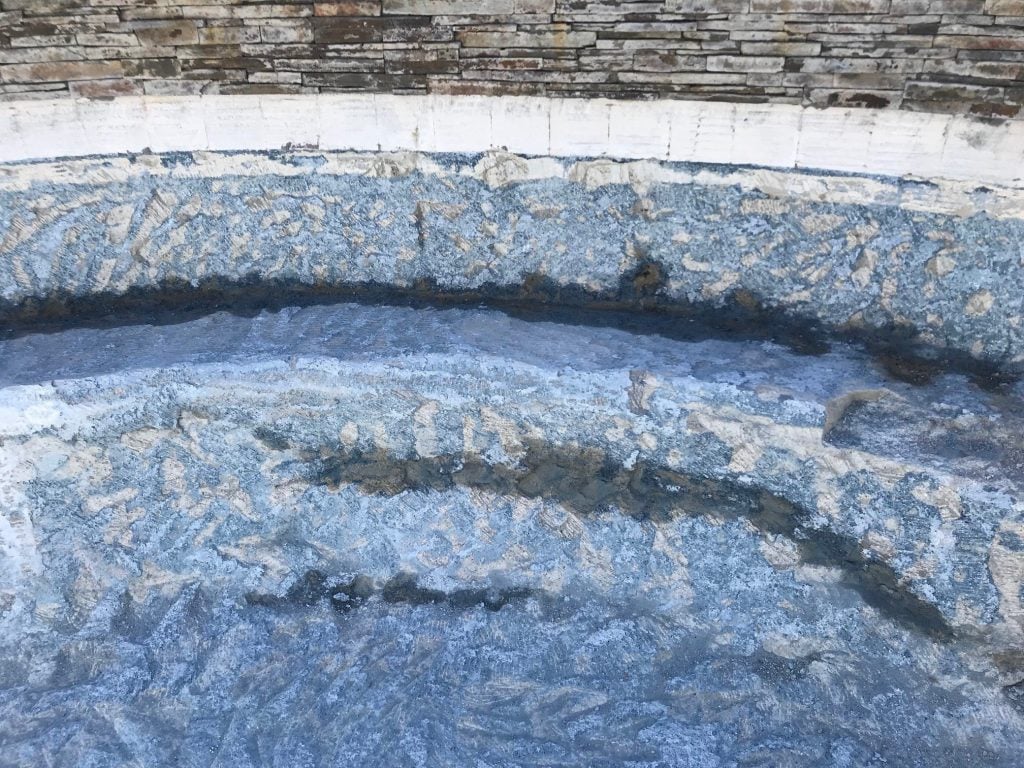
The pictures in this article are ones that I took when I was called out to come look at a pool for remediation of a water loss issue. The homeowner had already contracted to strip it. The pool was demoed 4 weeks before he called me.
The porosity of the shell is evident along with the lack of coverage over the steel. This pool is a perfect example of why you should follow ASA and ACI guidelines. There have been some recent posts about shotcrete application being done incorrectly. There has been some push back about what is the big deal in not insuring that ASA and ACI guidelines are followed.


Just because you don’t have a structural crack does not mean your shotcrete was done correctly. Structural cracks are caused by under engineered pools in bad soil, soil settlement, and lack of rebar in ratio to concrete. Not caring about putting rebound or wall trimmings in the floor, the strength of the air compressor, the application of good nozzle techniques, the PSI of the concrete, keeping track of the concrete coming out of the truck and water curing all contribute to a porous and under strength shell.


Floors and coves need to shot first so rebound and trimmings can be shoveled out. Trimmings and rebound are not shot concrete and letting them fall on top of the floor that you just shot is not an acceptable practice. They need to be shoveled out. The proper PSI as mandated by the ACI for water vessels is 4,000 psi minimum.
There was a discussion on an earlier post about this (in Ask The Masters Facebook group). One person was stressing that it was the water to cement ratio that gave concrete it’s water tightness which is true. But let’s be field practical. Most ready mix plants or dry shotcrete nozzle men cannot get a perfect .45 W/C ratio.
The shotcrete crew will invariably add water while you are in the back supervising the shot. The higher PSI concrete will have less water in it to begin with so that helps keep the W/C in check. Plus the higher psi concrete just has more cement paste in it which also helps with the density of the concrete.
I can easily tell a 2500 psi shell versus a 4500 psi shell. The 2500 psi shell looks extremely sandy and soaks up water like a sponge. My shells are shot with 5,000 psi wet mix shotcrete. the shell is so dense that it actually rejects most of the colloidal silicate that I spray onto it. For the few hundred dollars it costs to raise up the PSI in your shell you are doing your client a favor. And if the client says your shocrete price is higher then educate them on why you the price is higher. Pretty simple. 250CFM air compressors for wet mix and 650CFM for dry mix to insure the density of the concrete.

The great thing about shotcrete is that it slams concrete paste and aggregate together which creates a more dense finished product. If you have ever done cast in place walls or piers you vibrate the concrete to make it more dense and and get out the air pockets and encapsulate the rebar. Shotcrete has the same effect.

Remember the denser the concrete the more water tight it will be. Water curing is essential to keep concrete hydrated while it is curing. By keeping the shell cool and moist it will retain more water that was in the mix to begin with which also help with a denser concrete. It will also help with shrinkage cracks. Shrinkage cracks occur because water evaporates to quickly out of the concrete. Water cure your shells for 2 weeks to a month.
I have seen a lot of engineers lately mandate a 30 day water cure but two weeks should be your minimum. Soaker hoses on a timer are always a good option. Don’t tell or let your client do it. It’s not their responsibility it’s yours!Once again I stress the first layer of water proofing is a proper concrete shell.
Grant Smith
You must be logged in to post a comment Login