




Pool News
Chlorine Shortage Has Public Pools Feeling The Pinch


It’s been over a year since many public pools across the nation were forced to close due to the Covid-19 pandemic. Now some are being forced to close all over again due to ongoing chlorine shortages.
Those that have managed to stay in operation are watching the soaring cost of chlorine prices closely, which has nearly doubled in many areas of the country and is expected to continue to increase through the summer.

Public Pools Losing Money On Chlorine
When it comes to public swimming pools, most facilities usually charge a fee for entry. Many community pools are considered a public service, consequently they often wind up spending more on pool maintenance than they actually get from the guest fees. The fact is that the rising costs of chlorine are a growing cause for concern for the nations public pools and aquatic centers.

The chlorine tablet shortage began last August, when Hurricane Laura triggered a fire at the BioLab chemical plant that produces the majority of the country’s dry chlorine tablets. The rise in demand for backyard pools as a result of the epidemic has aggravated the problem by increasing costs on limited supplies.

Chlorine Prices This Year Versus Last Year
“We used to pay $75 for a 50-pound bucket of chlorine tablets,” Steven Fox of Fox Pools in Virginia informed us. “The prices have gone crazy this year. You’re looking at $150 now for the same thing, if distribution even has stock. It’s getting crazy now with acid, DE, grids, you name it… prices have gone up across the board.”
Openings in many cities were postponed partly because chemical cleaning supplies took months to arrive. One neighborhood pool in Oak Ridge, Tennessee, was cleared to open after the municipal council voted to spend up to an additional $60,000 on chlorine for the rest of this season and the pool season in 2022 (about $12,000 per month).
Public Pools Closing Early This Season
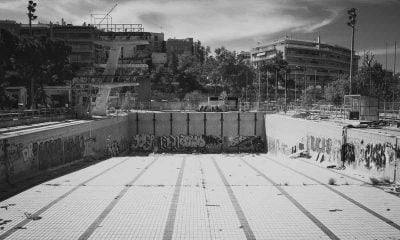
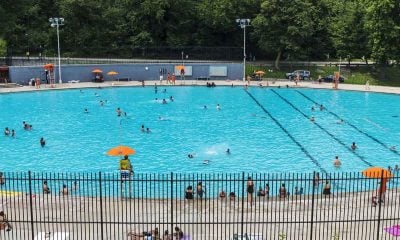
More and more financially strapped communities around the country have decided to close their pools early or close parts of their pools for the season. With many facilities stating they simply can’t afford the chlorine.
The majority of city-run pools in Los Angeles have had to close less than a month after being allowed to reopen by the Department of Public Health, which disproportionately affects minority children who don’t have other access to swimming lessons.


“This chlorine issue is just exacerbating what is already an existing disparity,” Jeff Wiltse, author of “Contested Waters: A Social History of Swimming Pools in America, told the LA Times. “There’s been a significant growth in private swimming pools [in recent decades], whereas public swimming pools have been generally stagnant, and in many cities there’s been a significant decline.”




Just days after renewed algae problems, peeling surface coatings, and a growing controversy surrounding the Lincoln Memorial Reflecting Pool renovation project, crews erected fencing around the iconic water feature overnight.
The fencing appeared Tuesday around portions of the Reflecting Pool and quickly drew attention from visitors and media outlets covering the ongoing saga surrounding the recently renovated landmark. Federal officials say the barriers are intended to protect the site from vandalism and help secure the area ahead of upcoming Fourth of July festivities on the National Mall.
Why did the White House install a fence around the Lincoln Memorial reflecting pool?
The move comes amid allegations from the Trump administration that vandals may have contributed to some of the problems that have plagued the Reflecting Pool since it was refilled earlier this month. President Donald Trump has publicly claimed that individuals damaged sections of the newly installed blue coating and interfered with the project, stating that multiple arrests have been made in connection with incidents at the site.

According to reports, chain-link fencing was originally planned as part of security preparations for the large Independence Day celebration scheduled to take place on the National Mall. However, Interior Department officials reportedly accelerated installation following recent vandalism concerns.
In addition to the fencing, reports indicate that surveillance cameras have been installed around portions of the Reflecting Pool as officials attempt to monitor activity and prevent further damage.

Security Measures Added Amid Ongoing Reflecting Pool Problems
The security measures arrive at a difficult moment for the highly publicized renovation project. The Reflecting Pool was drained earlier this year and resurfaced with a blue waterproof coating intended to address leaks and improve the appearance of the historic landmark.
Shortly after refilling, however, algae blooms reappeared, sections of the coating began separating from the pool floor, and questions emerged about the effectiveness of the renovation. Federal officials have attributed some of the damage to vandalism, while critics have questioned whether construction or design issues may also be contributing to the ongoing problems.
Several news organizations have reported that evidence supporting some of the vandalism claims remains unclear, although authorities have confirmed multiple arrests related to incidents occurring near the pool.

Reflecting Pool Remains a Work in Progress
Visitors arriving at the National Mall this morning found a noticeably different scene than just days earlier. The Reflecting Pool, one of the nation’s most recognizable water features and a backdrop for countless historic events, is now partially enclosed behind temporary fencing as crews continue repairs and preparations for upcoming celebrations.
The fence around the Lincoln Memorial Reflecting Pool represents the latest development in what has become an unexpectedly challenging restoration effort. Between recurring algae outbreaks, surface coating concerns, and now vandalism-related security measures, the project continues to attract national attention.
Crews have spent recent days vacuuming algae, inspecting damaged sections of the coating, and evaluating additional treatment options. Officials have previously announced plans to deploy nanobubble technology and other water-quality measures in an effort to improve clarity and suppress algae growth ahead of Independence Day events.
With thousands of visitors expected to gather on the National Mall in the coming weeks, the Reflecting Pool has become one of the most closely watched water features in the country. The additional security measures may help discourage vandalism, but officials still face the larger challenge of restoring water quality and completing repairs before the nation’s birthday celebration begins.
Featured Photo Credit: Marcelo Vinante
Just when it looked like the Lincoln Memorial Reflecting Pool was finally ready for its close-up, another setback has emerged.
The White House announced this week that additional repairs will be needed at the recently renovated Reflecting Pool after a string of problems surfaced almost immediately following its reopening. First came the return of algae. Now attention has shifted to reports that portions of the newly installed epoxy lining are beginning to separate from the underlying concrete.
It’s a frustrating turn for a project that, only weeks ago, appeared to be one of the most visually striking renovations on the National Mall.
The Algae Came Back Almost Immediately
Workers had barely finished refilling the Reflecting Pool before a familiar problem began to reappear.
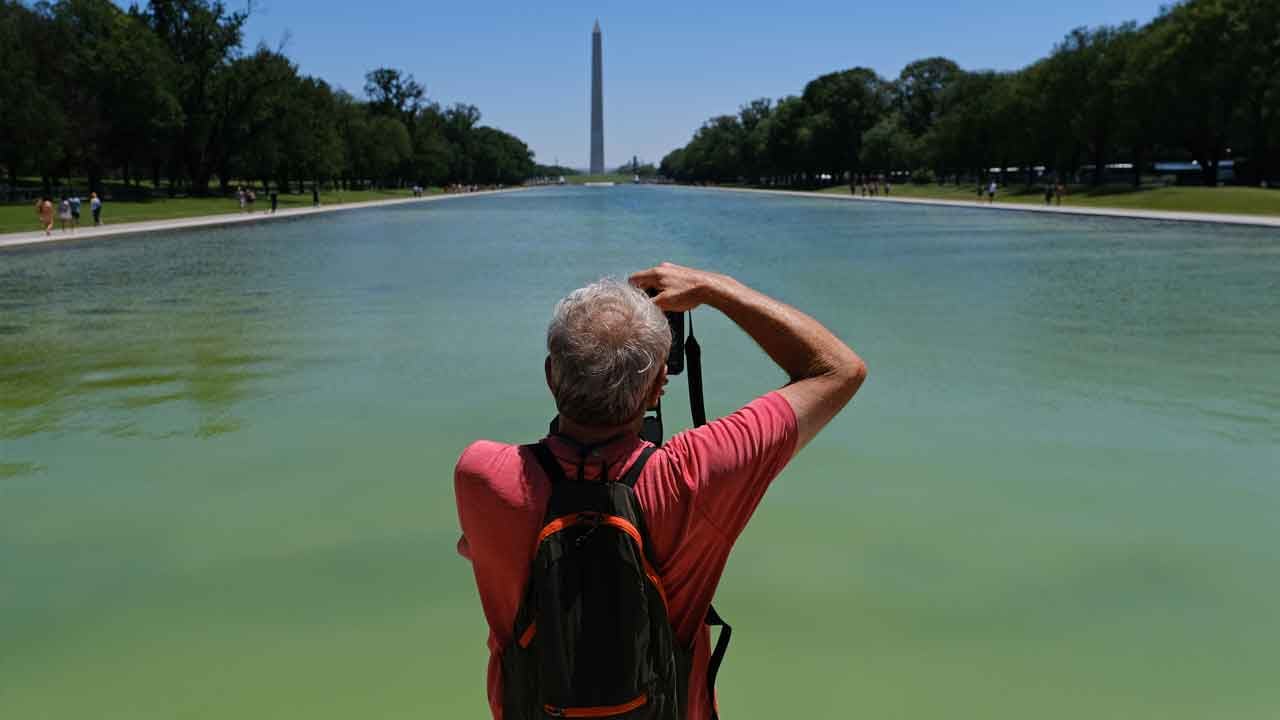
Within days, visitors started noticing a green tint developing in the water. Officials later said they believe algae remaining inside portions of the existing plumbing and circulation system was likely flushed back into the newly filled basin once the pumps were restarted.
Maintenance crews spent much of the following week working around the clock trying to stay ahead of the bloom. Photos showed crews treating the water daily as algae continued spreading across the nearly seven-million-gallon reflecting pool.
Eventually, officials announced they would deploy nanobubble technology—paired with hydrogen peroxide—in an effort to stop the bloom before it became significantly worse.

From Celebration to Cleanup
The speed at which the algae returned made the situation even more surprising, considering how optimistic everyone had been just days earlier.

The recently completed rehabilitation introduced a brand-new blue epoxy lining designed to waterproof the nearly century-old basin and address persistent leakage issues. Members of the project team toured the completed work, and stunning aerial photographs of the vibrant blue Reflecting Pool quickly spread across social media.
For a brief moment, it looked like the renovation had been an overwhelming success.
Then the algae returned.
At first, it was subtle—a faint green cast that was barely noticeable against the brilliant blue epoxy surface. Within a matter of days, however, that changed dramatically. Larger patches of algae began forming across the pool, eventually obscuring much of the newly installed coating beneath.
Fresh images circulating online painted a far different picture than those early celebration photos, showing murky green water and floating algae where crystal-clear reflections had been expected.

A New Problem Emerges
As crews worked to regain control of the water quality, another issue began generating concern.
Reports surfaced that portions of the new epoxy coating are now peeling and delaminating from the concrete beneath.
The reports quickly fueled online discussion, with some observers questioning whether the renovation itself had already begun to fail.
That conversation intensified after former U.S. Olympic cyclist David Hearn was arrested after authorities alleged he damaged the Reflecting Pool by peeling up a section of the newly installed epoxy coating. According to published reports, Hearn has disputed that characterization, maintaining the coating was already loose when he encountered it.
Regardless of how that case is ultimately resolved, the incident brought national attention to reports that portions of the new surface were already separating.

Is Hydrogen Peroxide to Blame?
Could the chemicals being used to combat the algae have contributed to the coating problems?
Probably not, according to pool construction expert Paolo Benedetti.
Benedetti told Pool Magazine that the hydrogen peroxide being used to jumpstart the nanobubble treatment is unlikely to be responsible for the reported delamination. Instead, he says coating failures are typically associated with poor surface preparation, not a single chemical treatment introduced after the coating has already been installed.
That doesn’t necessarily identify the cause of what’s happening at the Reflecting Pool.
Epoxy coating failures can result from a combination of factors, and without a forensic evaluation of the installation, it’s impossible to point to any single reason for the separation now being reported.
What’s Next?
Crews continue treating the Reflecting Pool using the combination of hydrogen peroxide and nanobubble technology in hopes of getting the algae under control while repairs to the epoxy surface move forward.
The timing couldn’t be more important.
The Reflecting Pool was expected to play a prominent role in celebrations surrounding America’s 250th birthday, with hopes the restoration would be completed well in advance of Independence Day festivities.
As of today, however, it appears that the timeline is becoming increasingly difficult to meet.
The next phase of the project will require crews to drain the Reflecting Pool once again so repairs to the surface can be completed before the basin is refilled. At the same time, officials will continue evaluating whether the combination of hydrogen peroxide and nanobubble technology can finally get ahead of the recurring algae problem. With Independence Day and the nation’s 250th birthday celebrations fast approaching, the clock is ticking. Right now, it appears increasingly unlikely the Reflecting Pool will be ready in time, despite the best efforts of crews working to restore one of America’s most iconic water features.
Featured Photo Credit: Matt Smith
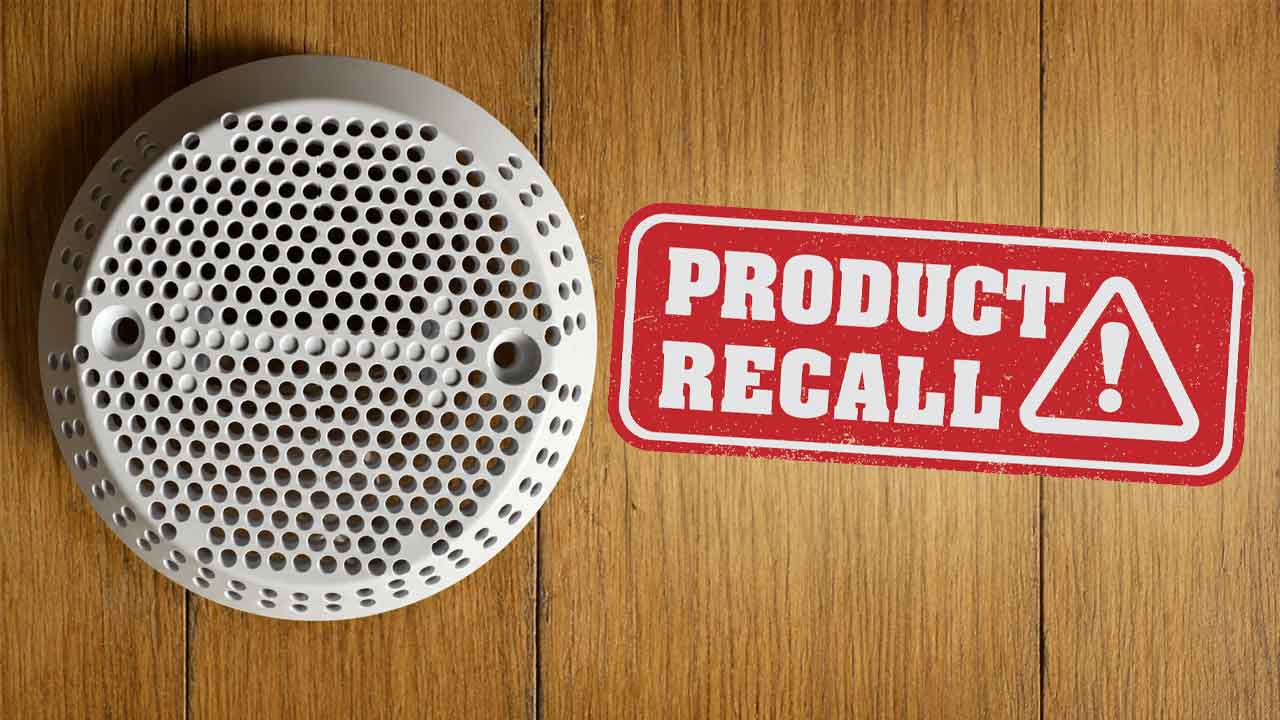
The U.S. Consumer Product Safety Commission (CPSC) has announced the recall of approximately 340 Arrogantf spa and hot tub drain covers after determining they violate the Virginia Graeme Baker Pool & Spa Safety Act (VGBA), creating a potentially deadly entrapment and drowning hazard.
The recalled products are white plastic suction covers sold for use as hot tub jet covers and spa drain covers. According to the CPSC, the drain covers fail to meet the mandatory federal safety standard because they lack required product markings, service life information, and installation and maintenance instructions. These deficiencies mean the products cannot be verified as compliant with the anti-entrapment requirements established under the VGBA.
Product Details
The recall involves Arrogantf 3-3/4-inch spa suction covers packaged in a clear plastic bag labeled:
- X004TW6LTF
- Arrogantf
- BWG 3-3/4″ 100gpm
- BSC334-AF
Each package also includes two mounting screws in a separate clear plastic bag. The drain covers themselves contain no identifying markings or manufacturer information.
The products were sold exclusively through Amazon between September 2025 and March 2026 for approximately $16. The recalled drain covers were imported by Shenzhen Fuxiangyue Technology Co., Ltd., doing business as Arrogantf, of China.

What Consumers Should Do
The CPSC advises spa owners, operators, and consumers to stop using any spa or hot tub equipped with the recalled drain covers immediately.
To receive a refund, consumers should:
- Remove the drain cover from the spa or hot tub.
- Clearly write “RECALL” on the cover with a permanent marker.
- Photograph the marked drain cover.
- If possible, disable the cover by cutting its perimeter structure to prevent future installation.
- Dispose of the drain cover.
- Email the photograph to [email protected] to request a refund.
No Injuries Reported
At the time of the recall, the CPSC reported no incidents or injuries associated with the recalled drain covers.

Why VGBA Compliance Matters
Drain cover safety remains one of the most important layers of protection in pools and spas. The Virginia Graeme Baker Pool & Spa Safety Act was enacted to reduce the risk of suction entrapment incidents, which can result in severe injury or drowning. Compliant drain covers are engineered and tested to minimize these hazards while providing clear guidance on installation, inspection, and replacement intervals.
Pool and spa professionals are encouraged to verify that all installed suction outlets utilize VGBA-compliant drain covers and to replace any non-compliant products immediately as part of routine inspections and maintenance.
For complete recall information, consumers can visit the U.S. Consumer Product Safety Commission’s official recall notice.
Read the Spring Issue of Pool Magazine

See more of our coverage in your search results
 Sponsored Advertisement
 Poolwerx Eyes San Antonio for Continued Texas Expansion
 Fence Around Lincoln Memorial Reflecting Pool Goes Up Following Reports of Vandalism
 Pixel by WOW Design: A Surface Fragmented by Light
 The Pool Business Phone Problem Nobody Talks About
 CCEI Wins 2025 Golden Wave Award
 AquaPlanet Launches Building on Mike Collins’ Legacy
 White House Announces Additional Repairs as Reflecting Pool Problems Continue

 Best Pool Heaters & Heat Pumps of 2025
 How to Overcome Interference in Pool Water Tests
 Upcoming PSP Deck Expo: Showcasing Innovations, Collaboration, and Professional Growth
 2025 Pool Industry Insights, With Teri Wiltshire, Master Pools Guild
 Hazardous Pool Designs Can Cause Fatalities
 Tips on Pool Water Treatment
 Vote Now in the 2024 Pentair Pool Pro Awards
 Sponsored Advertisement
 Sponsored Advertisement
-

 Pool News3 weeks ago
Lincoln Memorial Reflecting Pool May Meet Its Deadline—But Will It Solve the Problem?
-
 Pool News3 days ago
White House Announces Additional Repairs as Reflecting Pool Problems Continue
-

 Manufacturer4 weeks ago
Fluidra Acquires Datapool to Lead Digitalization and Efficiency in the Pool Sector
-

 Press Releases4 weeks ago
Pool Industry Accelerates Digital Transformation with POOLCORP and JobTread as Tech Stacks Become More Connected
-

 Pools4 weeks ago
Buying a Home With a Pool: Key Things Every Buyer Should Check First
-

 News2 weeks ago
Pool & Hot Tub Alliance Requests Reaffirmation of Water Conservation Efficiency Standard
-

 News3 weeks ago
Invis-A-Rope™ Gives Automatic Pool Covers Aesthetically Pleasing Look
-
 Pool News1 day ago
Fence Around Lincoln Memorial Reflecting Pool Goes Up Following Reports of Vandalism
You must be logged in to post a comment Login