





Pools
Shipping Container Pools Are Becoming Popular


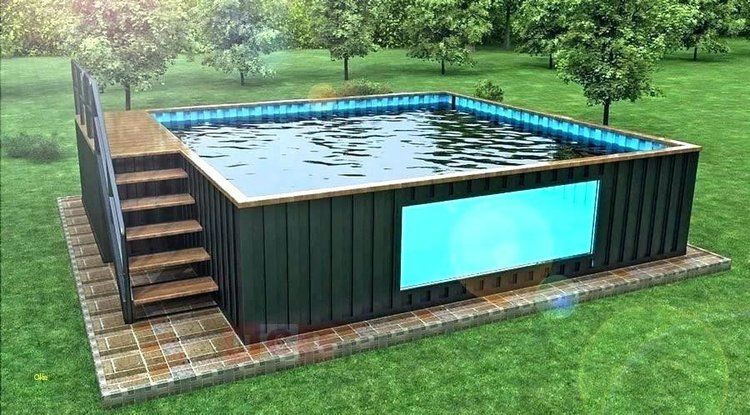
Over the years, there has been a broad spectrum of innovations in all industries. But did you know that shipping containers can now be converted into swimming pools? Paul Ratham of Modpools says that shipping containers can now be world-class pool vessels that offer exceptional functionality at a lower price point than traditional inground pools. Aside from transporting cargo across the whole world, builders are repurposing shipping containers to create swimming pools out of them that homeowners love.

Generally, shipping containers often go to waste after several years of use. So, Paul Ratham started utilizing these boxes in a completely different way a few years ago. Ratham began creating swimming pools out of used shipping containers that had traveled all over the United States. Not only that, but his novel approach towards pool construction began to take off and pique the interest of homeowners.
As a result, he was able to meet the increased demand and has created many pools during the global pandemic. Shipping container pools are becoming more popular because they are easy to install and portable, meaning in most cases you can easily transport these pools from one location to another. This appeals to homeowners who want a pool but may not be tied to their forever home yet. Additionally, shipping container pools can accommodate a wide range of water features.

Where did this idea come from? Ratham says, “Pools are undoubtedly excellent sources of entertainment and relaxation. When you have a pool, you can create a mini staycation in your backyard.” With this information in mind, Paul thought of converting shipping containers into viable swimming pools. He was already transforming shipping containers into spaces like homes and offices. However, he noticed that he could do even more with shipping containers by repurposing them as functional swimming environments.
The formation of Modpools
After several years of building and remodeling shipping containers into pools, Paul Ratham formed Modpools. That company is responsible for creating many of the shipping container pools being sold today.
Ratham initially invested in shipping containers that carried different products. He says, “Most containers that reach North America don’t go back. This is because North America does not have a lot of commodities to send to China. So, most shipping containers that reach North America end up going to waste. Converting these containers into something functional is, therefore, a good idea.”
Tips for creating quality shipping container pools
Today, Ratham also tries his best to purchase shipping containers that have been used only once. Newer containers are often cleaner and dent-free. He does not want people to think that his pool containers are used garbage cans. It can be hard to sell homeowners on the concept that pools can be made using old shipping containers. Even so, more people are now becoming familiar and open to shipping container pools as an alternative to traditional inground pools. So much so, that they are willing to overlook the aesthetics and focus on the functionality these pools offer instead. Ratham, therefore, says that it is much easier to sell shipping container pools at the moment simply because the demand for pools has been so high. With that being said, shipping containers are ideal for homeowners with a limited budget and yard space.

Pros of shipping container pools
- Shipping container pools do make outstanding lap pools
- They are often more affordable than other swimming pool types
- You might not require a gate if the container is above ground
- Installation can often be completed within a single day
- They are an elegant and stylish alternative to other types of pools
Cons of shipping container pools
- They can be just as expensive as an ordinary inground pool when fully customized
- The shipping container look is an acquired taste and may not be for everyone
- Shipping container pools may only offer one entry & exit point for swimmers
- Most shipping container pool systems are not designed for a saltwater system
- All shipping container pools are basically the same shape
Manufacturing shipping container pools
Creating shipping container pools are not as complicated as most people think. All you have to do is customize the container. Cut the 20 x8 feet or 40 x8 feet shipping container into your preferred pool size. Then shape it according to your desired layout. Modpools often conduct this process at their warehouse. Luckily, you can always expand the container through welding to create even larger sized pools. Therefore, the shipping container pool does not have to be constructed on your property.

Consequently, you won’t have to deal with the noise of pool construction. Instead, you can create an inground, aboveground, or partially aboveground pool using a shipping container. Once the pool is ready, manufacturers transport it to your site for installation. You can customize a shipping container pool to match your requirements. Additionally, you can add water features like hot tubs in the container pools to make your container pool more full featured.
Last year, the global pandemic forced a majority of homeowners to consider revamping their outdoor spaces in lieu of traveling. As a result, there was an increased demand for pool construction services. Shipping container pools are also in high demand for homeowners who want to save some coin. Consequently, manufacturers like Paul Ratham had to buy shipping containers in bulk to deal with this surge in demand.
The typical size Modpool is eight feet wide by twenty feet long and a little more than five feet deep. It also has a clear, acrylic window on one side, which is an appealing and cool design aspect you wouldn’t expect to find in a shipping container pool. Customers can choose to install another acrylic glass on the other side which many often opt to do.
Final thoughts
Although the increased demand for pool installation has been hectic for most contractors, Paul Ratham’s business has grown tremendously over the past year. He says that Modpools has been responsible for installing 800 pools in North America in the past year. This is because homeowners are remodeling their outdoor spaces to make a summer spent at home more enjoyable for their families.








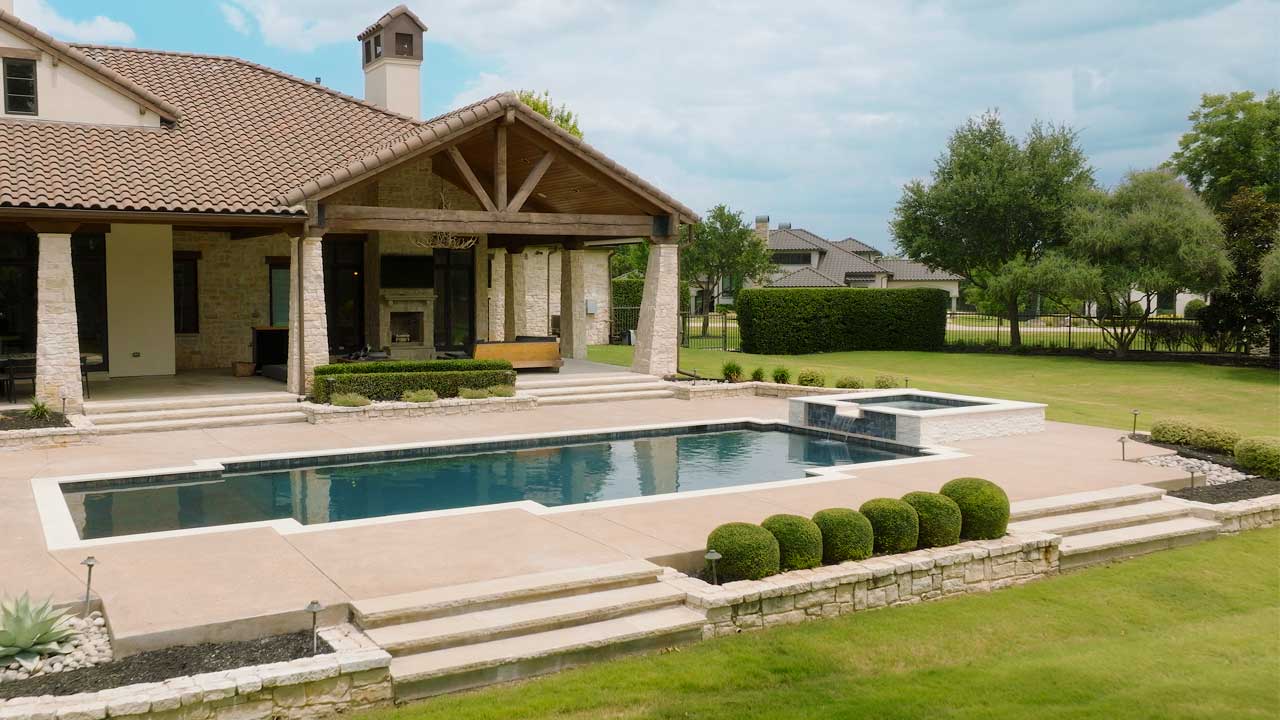
For many homeowners, pool remodeling is something that’s easy to put off during the summer.
The plaster may be stained, the coping may have seen better days, or the equipment might be running longer and louder than it used to. But when temperatures are high and the family is using the pool every weekend, shutting everything down to address those problems isn’t particularly appealing.
Then summer finally ends.

According to Jeff Moore of Precision Pool Restoration, a pool remodeling and renovation company serving major Texas markets including Houston, Austin, Dallas and San Antonio, that’s when the conversation changes.
“It’s like a light switch that turns on,” Moore said. “After Labor Day, the phones start lighting up.”
There’s a practical reason behind that seasonal shift. Once the busiest part of swim season is over, homeowners finally have an opportunity to address problems they’ve been living with for months — without sacrificing the time of year when they use their pool the most.
“You tolerate the rough spots all summer because you’re using the pool,” Moore explained. “Then the season winds down, you take an honest look, and September becomes the ‘Okay, we have to do this’ moment.”
For homeowners already considering a pool renovation, fall may be one of the best opportunities to get started.

Homeowners Are Reinvesting in the Pools They Already Own
The pool remodeling market has changed considerably in recent years. With new pool construction substantially more expensive than it once was, homeowners with an existing swimming pool are increasingly choosing to reinvest in what they already have.
Rather than starting over, they’re putting money back into their existing backyard — updating the appearance, improving performance, adding features and extending the useful life of the pool they already own.
“A new pool can easily run north of 65 grand,” Moore said. “Now, a renovation gets you most of what people want — fresh surface, new tile, updated equipment, maybe even a sun shelf — for a fraction of that.”
That shift is helping drive renovation demand. Moore also points to higher mortgage rates as another factor, with some homeowners deciding that upgrading their current property makes more sense than making a move.
“People are choosing to stay in place, stay in their homes, and invest more money into renovations,” he said.
Today’s renovation projects can go well beyond replacing worn plaster. Homeowners are adding spas, sun shelves, tanning ledges, wider entry steps, water features, fountains and spillways. Older pools can also be upgraded with automation, LED lighting and variable-speed pumps that make ownership easier while reducing operating costs.
What homeowners want from a renovated pool has also evolved, Moore said, with greater emphasis on making the pool simpler and less expensive to operate.
“It used to be about looks. Now it’s convenience and ease of ownership,” he said. “Automation, variable-speed pumps that cut the power bill, LED lighting. People want the pool to be easy.”
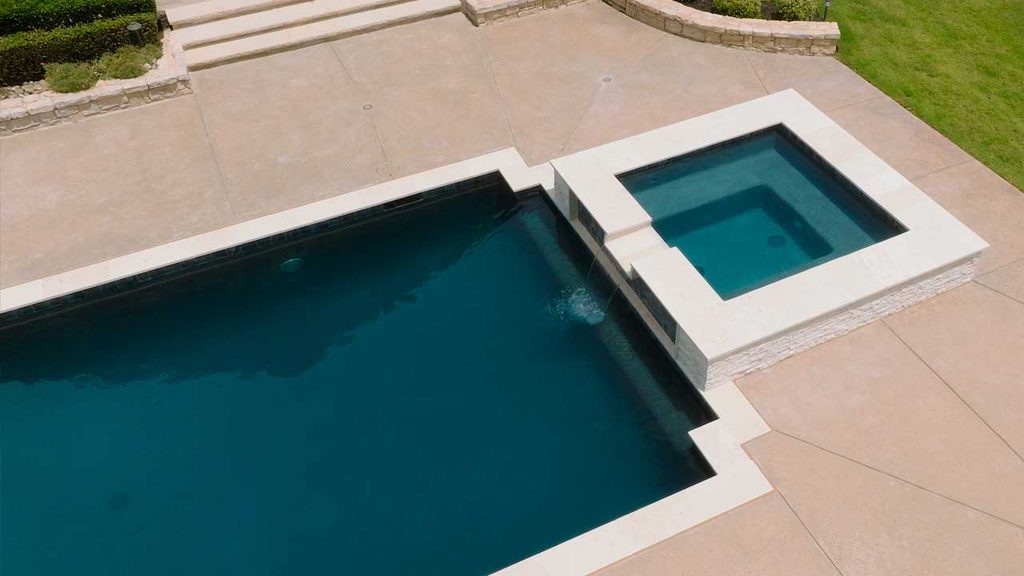
When Cosmetic Wear Is More Than Cosmetic
Before considering those upgrades, however, homeowners need to understand what condition their existing pool is actually in.
After a full summer of use, fall provides a good opportunity to take stock.
Stained plaster is one of the most common signs Moore sees, along with calcium and waterline stains that no longer scrub away, cracked tile and damaged coping. Persistent cloudy water despite properly maintained chemistry can also point toward an aging interior surface.
One of the clearest signs that a pool needs more than routine maintenance is when brushing, cleaning and balancing the water no longer resolve the problems homeowners are seeing. Rough surfaces, peeling plaster, recurring leaks and persistent cracks can all point to issues that require a closer look.
“A lot of what looks cosmetic isn’t,” Moore explained. “Plaster isn’t paint. It’s a waterproofing layer. So cracked tile and coping let water get behind the shell and under your deck. If it involves a surface, a structure, or water going somewhere it shouldn’t, it’s not cosmetic.”
The distinction there is an important one because delaying necessary work can dramatically change the eventual cost of the repair.
“A small leak today doesn’t really wait for your cash timing,” Moore said. “If you have a crack or something, it only gets worse and more expensive.”
In some cases, he said, addressing a $15,000 problem early can prevent it from becoming a $30,000 problem later.

Fall Gives Pool Owners a Head Start
For projects that can reasonably wait until swim season ends, fall offers another major advantage: fewer homeowners are competing to have their pools finished immediately.
Waiting until spring means joining the crowd of pool owners who suddenly realize summer is approaching.
“If you’re the first in line to buy tickets to a great concert, you know you’re going to get the best seats,” he said.
For pool owners, getting in line early means having more flexibility when choosing a contractor and scheduling the work, rather than trying to secure a spot once the spring remodeling rush is already underway.
There can also be a financial advantage to getting a pool remodeling project underway before spring. Material, equipment and labor costs rarely remain static from one season to the next, and contractors may adjust pricing as new costs take effect heading into the busier part of the year. A renovation priced in the fall may not carry the same price tag several months later.
For homeowners who already know the pool needs work, waiting until spring can therefore mean competing for a spot on a busier schedule while potentially paying more for the same project.
Starting in the fall creates more breathing room to evaluate the project, select materials and get onto a contractor’s schedule before the seasonal rush begins.
“The last thing you really want to do is wait until spring because that’s when everybody else gets in line,” Moore said. “Then all of a sudden you have a big rush of people waiting before they’re ready to get in their pool.”
Weather and Pool Remodeling Still Matter
Fall scheduling isn’t unlimited, however, particularly when plaster is involved.
Temperature matters during application. Moore said plaster shouldn’t be installed once temperatures fall below approximately 50 degrees. The workable season can extend considerably longer climates, but there is still a window homeowners need to consider.
That makes early planning important even when the actual renovation won’t begin immediately.
The construction portion of many renovation projects can move relatively quickly. Moore said a typical build itself may take only one or two weeks. A newly plastered pool, however, requires approximately 28 to 30 days of careful brushing and water chemistry management afterward.
Starting during the cooler months means that process can be completed long before anyone is thinking about the first pool party of the year.
“Start in the fall or winter, and all that’s behind you before it gets warm,” Moore said.
Take an Honest Look at Your Pool
Homeowners don’t need to be pool professionals to perform a basic end-of-season inspection.
Moore recommends walking slowly around the pool and paying attention to the surface. Run a hand across the plaster and note areas that have become unusually rough. Examine the waterline tile and coping for cracks, gaps or loose material. Listen to pumps and other equipment while they’re operating.
Even the household water bill can offer clues.
“If it’s creeping up and nothing changed, there’s a good chance you’ve got a leak,” Moore said.
Hairline cracks, gradually increasing water consumption, and equipment that has become louder or runs longer than it once did are easy to overlook precisely because they don’t create an immediate emergency.
“None of them scream at you,” Moore said, “which is exactly why they get expensive.”
When budgets are limited, those underlying issues should take priority over visual upgrades.
“Health before beauty every time,” Moore said. “Surface, structure, leaks, equipment. I’ve seen people buy pretty tile while the slow leak undermines their deck. Fix the foundation first. The cosmetic upgrades will still be there next year.”
Picking the right contractor is equally important. A pool renovation can involve multiple phases, trades, and decisions, and homeowners should understand who will be managing the project, who their point of contact will be, and how issues will be handled along the way.
“Who you pick matters because the process is what you’ll remember,” Moore said.
More Time to Get the Details Right
Perhaps the most overlooked advantage of remodeling a pool in the fall has nothing to do with construction schedules, weather or even cost.
It’s time.
A spring renovation often begins with a deadline already hanging over it. Summer is coming. The family wants the pool open. Decisions about tile, plaster colors, equipment and features suddenly need to be made quickly because every additional week feels like another week lost from swim season.
Fall removes much of that pressure.
Instead of choosing materials simply because they’re available, homeowners have time to compare options. Equipment lead times become easier to accommodate. Weather delays aren’t necessarily catastrophic. Designs can evolve as homeowners get a better sense of what they actually want from their backyard.
Most importantly, there’s room to reconsider a decision before it becomes permanent.
“It gives you time to make good decisions,” Moore said. “Spring projects get compressed. Tile, colors, equipment — they’re all rushed.”
A swimming pool renovation is something a homeowner may live with for another decade or more. Taking a few extra weeks to decide between finishes, rethink a feature or change direction is a small price to pay for getting it right.
“You start in fall; you’ve got room for lead times, weather, and changing your mind,” Moore said. “Rushed decisions are how people end up with pools that they don’t love.”
Ready to take a deeper dive?
Want to hear more about what pool owners should consider before starting a renovation? Listen to our full conversation with Jeff Moore of Precision Pool Restoration on the Pool Magazine Podcast, where we discuss pool remodeling trends, common warning signs, project timing, budgeting, and how to plan for a successful pool renovation.
Photo Credits: Precision Pool Restoration

Chlorine gets a bad wrap.
Dry skin. Red eyes. That harsh “pool smell” people complain about the second they walk into a backyard or indoor pool.
That story is common enough, but it doesn’t really hold water. Because when a pool is dialed in properly, chlorine isn’t the thing people notice. It’s only when the chemistry starts to slip that all those issues show up.
The truth sits right in the middle—and if you’re constantly around pools, understanding that nuance matters more than most people realize.
Because while chlorine is the backbone of modern pool sanitation, it’s also one of the most misunderstood chemicals when it comes to swimming pools.
And here’s the part most people don’t really get: it’s not just about chlorine itself—it’s what happens after it starts doing its job.
Chlorine Isn’t the Problem—Until It Becomes One
Let’s start here: properly balanced chlorine is not the enemy.
In fact, it’s the reason pools are even usable in the first place. It kills bacteria, neutralizes contaminants, and keeps water safe for human use. Health authorities consistently point out that when maintained within proper ranges, it’s not associated with harmful effects.

But chlorine doesn’t exist in a vacuum.
The second it hits organic matter—sweat, sunscreen, urine, body oils—it reacts. And that reaction creates a whole different class of compounds known as disinfection byproducts, most notably chloramines.
That’s where things start to get interesting.
That “Chlorine Smell”? That’s Actually the Problem
Here’s a quick reality check you can drop on any homeowner:
Think of your pool like a kitchen.
Free chlorine is your cleaning crew.
Chloramines are what happens when that crew gets overwhelmed and starts leaving behind dirty rags instead of actually cleaning.
Here’s what’s going on in plain English:
When your pool is “healthy,” chlorine is actively killing contaminants—sweat, sunscreen, body oils, urine, all the stuff people bring into the water. When chlorine does its job properly, it finishes the job and stays effective.
But when a pool is struggling, a few things usually happen:
- Not enough chlorine
- Poor circulation
- Dirty filter
- Heavy bather load
- High heat / sunlight burning chlorine off
Now the chlorine can’t keep up.
Instead of fully destroying contaminants, it only partially reacts with them—especially nitrogen-based stuff like sweat and urine.
That partial reaction creates chloramines.

And here’s the key:
Chloramines are basically used-up chlorine that’s now weak and smells bad
So the worse your pool condition gets, the more this cycle feeds itself:
- More contaminants enter the water
- Not enough strong chlorine to handle it
- More partial reactions happen
- More chloramines form
- Water gets cloudy, smells “chlorine-y” (ironically), and irritates eyes
- Now your chlorine is even less effective
It’s like your cleaning crew switching from disinfectant to just wiping things around with a dirty sponge.
That “strong chlorine smell” people talk about?
That’s not clean water—that’s chloramines building up.
What It Actually Does to the Body
Let’s break it down in real-world terms—the stuff people actually feel after swimming.

Skin: Dry, Tight, Irritated
Chlorine strips natural oils from the skin. That’s not a theory—it’s literally how it works as an oxidizer. The longer the exposure, the more moisture gets pulled out, leading to dryness, itching, and irritation.
For swimmers, that shows up as:
• Dry, flaky skin
• Redness or irritation
• Worsening of eczema or sensitive skin
For pool techs? Well, it’s why their hands look like they’ve been sanding drywall for 20 years.

Eyes: Burning, Red, and Watering
Again, not chlorine itself—chloramines.
When these compounds off-gas into the air (especially in indoor pools), they irritate the eyes and mucous membranes.
That classic “red eye” look after swimming? That’s a chemistry issue.

Lungs: The One Nobody Talks About Enough
This is where things get more serious.
Chloramines don’t just sit in the water—they gas off into the air above the pool surface. In poorly ventilated environments (think indoor facilities), that exposure can irritate the respiratory system.
We’re talking:
• Coughing
• Wheezing
• Chest tightness
• That “chlorine cough” you hear about
There’s also research linking repeated exposure—especially in competitive swimmers—to increased rates of asthma and airway irritation.
Now, is your average backyard swimmer at serious risk? No.
But for those working around this stuff every single day? That’s a different conversation.

Hair: Dry, Brittle… and Sometimes Green
The dryness comes from oxidation—same story as skin.
The green hair myth? That’s actually copper oxidation, not chlorine. But chlorine is what creates the conditions that allow it to happen.

Teeth: Yeah, Even That
Long-term exposure—especially in improperly balanced water—can contribute to enamel erosion and staining, sometimes referred to as “swimmer’s calculus.”
Not common for casual swimmers, but something you’ll see in high-frequency exposure scenarios.
The Bigger Picture: It’s About Byproducts, Not Chlorine
Here’s the takeaway most people miss:
Chlorine itself isn’t what causes most of the issues people complain about.
It’s the byproducts created when chlorine has to work too hard.
That’s why poorly maintained pools feel worse—even if they technically have chlorine in them.
And it’s also why a properly balanced pool with the right free chlorine, low combined chlorine, and good circulation feels completely different.
Having A Little Know-How Comes In Handy
Everything we just talked about? It’s controllable. Not eliminated—but managed. And the folks who understand this are the ones having the best swim experience.
Here’s what actually makes a difference:
• Keeping combined chlorine low (breakpoint chlorination matters)
• Proper circulation and filtration
• Encouraging pre-swim showers (huge, underrated)
• Ventilation in indoor environments
• Regular oxidation/shocking to eliminate chloramines
Fun fact: a massive percentage of swimmers skip showering before entering the pool—which means chlorine has to burn through more contaminants, creating more byproducts in the process.
So yeah… sometimes the problem isn’t with chemistry—it’s with swimmers.

The Core Chemistry Ranges To Target
Most people aren’t chasing perfection—they’re keeping water in a range where it behaves consistently. In a typical chlorine pool, that means maintaining free chlorine around 2–3 ppm, keeping pH in the 7.4 to 7.6 sweet spot, and holding total alkalinity between 80 and 120 ppm so the system stays stable. Calcium hardness generally lands between 200 and 400 ppm depending on the surface, while cyanuric acid sits around 30 to 50 ppm in most outdoor pools, sometimes higher in salt systems. Combined chlorine, or chloramines, should ideally be zero—anything over 0.5 ppm is a sign the pool is starting to struggle.
What Happens When the Water Falls Out of Balance
When chlorine drops too low, the water is no longer protected. It starts dull, turns cloudy, and eventually gives way to algae while chloramines begin to build. On the flip side, excessive chlorine usually shows up as irritation—burning eyes, dry skin, and unnecessary wear on liners and equipment.
pH is where most problems begin. When it falls too low, the water becomes aggressive, leading to corrosion and that sharp, uncomfortable feel swimmers notice right away. When pH climbs too high, chlorine loses effectiveness, which opens the door to cloudy water, scaling, and the slow buildup of problems that don’t resolve on their own.
Total alkalinity acts as the buffer for all of this. If it’s too low, pH becomes unpredictable and difficult to control. If it’s too high, pH tends to drift upward constantly, making the pool harder to manage over time.
Calcium hardness affects the pool surface more than anything. Low calcium creates “hungry” water that pulls minerals out of plaster, while high calcium leads to scale buildup on tile, heaters, and salt cells—often accompanied by cloudy water that refuses to clear.
Cyanuric acid is one of the most misunderstood factors. Without enough of it, chlorine gets burned off by sunlight almost as quickly as it’s added. With too much, chlorine becomes far less effective, creating situations where test results show adequate levels, but algae still appears.
Chloramines tie it all together. When they show up, it’s a clear signal that chlorine isn’t finishing its job. That’s when you get the strong smell, the irritation, and the sense that the water just isn’t right.
The Right Way To Think About It
At the end of the day, most people who are managing a pool’s chemistry aren’t looking at these numbers in isolation. Chlorine is the worker, pH determines how effective that worker is, cyanuric acid protects it from the sun, and alkalinity keeps the entire system from swinging out of control.
When those elements are in line, the pool runs clean and predictable. When they’re not, every visit turns into a problem-solving exercise.

Buying a home with a pool can almost feel like you hit the jackpot—until you realize that the swimming pool is its own ecosystem with its own set of rules, maintenance needs, and potential headaches. A backyard pool can absolutely elevate a property, but if you don’t know what you’re looking at, it can also turn into an expensive surprise. The key is understanding what to look for before you close, not after you’re already holding the keys.
You already called out some of the big visual red flags—loose tiles, green water, low levels, and structural cracks. Those are the obvious ones. But the real story usually lives just beneath the surface and over on the equipment pad.
Let’s walk through the top pool-related issues home buyers need to be aware of so you don’t inherit someone else’s problem project.

Structural Integrity Beyond the Obvious
Hairline cracks happen. That’s normal. But not all cracks are created equal. What you want to pay attention to are structural cracks—especially ones that run horizontally, widen over time, or show signs of movement.
Cracks in steps, benches, or along the bond beam (top edge of the pool) can indicate shifting soil, poor construction, or long-term neglect. If the pool is losing water and there are visible cracks, that’s a double whammy—now you’re talking structural repair plus leak detection.
Also look for signs of previous patchwork. If you see multiple areas that have been repaired or resurfaced inconsistently, that could mean ongoing issues rather than a one-time fix.

Pool Surface Condition (Plaster, Pebble, Vinyl, Fiberglass)
The interior finish tells you a lot about how the pool has been maintained. Plaster that feels rough, stained, or etched is usually the result of poor water chemistry over time. Pebble finishes should be uniform—if they look worn down or patchy, resurfacing could be on the horizon.
Vinyl liner pools have their own issues—wrinkles, fading, or brittleness are signs the liner is nearing the end of its life. Fiberglass pools should be smooth and glossy; dull or chalky finishes could indicate oxidation or improper care.

Resurfacing isn’t a minor expense, so this is one of those things you want to factor into your offer if it’s close.

Equipment Pad: The Heart of the System
One of the biggest mistakes people make when buying a home with a pool is that they forget to look at the pool equipment first. This often proves to be a costly error. The equipment pad is where you’ll find out if the system is dialed in or held together with duct tape and prayers.
Here’s what to inspect:
Pump: Listen for grinding or whining noises. That usually means worn bearings or a failing motor.
Filter: Check for leaks, rust, or cracks. Ask when it was last cleaned or replaced.
Heater: Look for corrosion, especially if the home is near the coast. Heaters are expensive to replace.
Chlorinator or Salt System: Salt cells have a limited lifespan. If it’s older, you may be replacing it soon.
Automation System: If there’s a control panel or app-based system, test it. Make sure it actually works.
A clean, organized equipment pad is usually a good sign. If it looks chaotic, poorly plumbed, or neglected, that tells you everything you need to know about how the pool has been cared for.

Circulation and Flow Issues
Even if the water looks okay during a showing, circulation problems can be hiding underneath. Poor circulation leads to algae growth, cloudy water, and inconsistent chemical distribution.
Watch for:
Weak return jets
Dead spots where debris collects
Air bubbles in the pump basket
Water not reaching skimmers properly
These can point to suction leaks, clogged lines, or undersized equipment. None of those are fun to deal with after the fact.

Signs of a Leak (Beyond Low Water Level)
Low water is one clue, but leaks don’t always present that clearly. Pools naturally lose some water to evaporation, especially in hot climates, so you need to dig deeper.
Look for:
Wet spots or sinking areas around the pool
Cracks in decking that seem to be shifting
Constant need to refill the pool
Air in the system (bubbles in returns)
A leak detection test might cost a few hundred bucks during escrow, but it can save you thousands if there’s an underground issue.

Decking and Drainage Problems
The area around the pool matters just as much as the pool itself. Poor drainage can lead to water pooling near the foundation or undermining the pool structure over time.
Watch for:
Uneven or lifting deck surfaces
Standing water after rain or heavy use
Cracks that run toward the pool
Deck material separating from the coping
This isn’t just cosmetic. Drainage issues can lead to bigger structural problems if left unchecked.

Coping and Tile Line Condition
The coping (the edge around the pool) and tile line take a beating from weather, chemicals, and constant water exposure. Loose coping stones or deteriorating grout can allow water to seep behind the shell, leading to bigger issues.
If tiles are falling off or the grout is crumbling, it’s usually a sign of long-term neglect rather than a quick fix situation.

Electrical and Safety Compliance
This is one area you don’t want to overlook. Pools involve electricity, water, and metal—bad combination if things aren’t up to code.
Make sure:
GFCI outlets are present and functional
Bonding wires are intact
Pool lights are working and properly sealed
There are no exposed or makeshift electrical connections
Older pools may not meet current code, and bringing them up to standard can cost real money.

Age and Remaining Life of Equipment
Everything on a pool has a lifespan. Pumps, heaters, filters, and salt cells don’t last forever. If the equipment is 8–12 years old or older, you should assume replacements are coming soon.
Ask for:
Installation dates
Service records
Any recent repairs or upgrades
If the seller doesn’t know, that’s already a signal.

Water Chemistry History
You can tell a lot about a pool just by testing the water. If levels are wildly off during a showing, that might mean the pool hasn’t been maintained properly.
Poor chemistry over time leads to:
Surface damage
Equipment wear
Algae growth
Scaling and staining
Even if it looks clean for the showing, bad habits tend to leave long-term damage.
Pool Size, Depth, and Usability
Not all pools are practical for every buyer. Some are too deep, too shallow, or oddly shaped for actual use.
Think about:
Is the depth appropriate for your family?
Is there usable space for lounging or playing?
Are steps and entries safe and accessible?
A pool that looks impressive but isn’t functional can become more of a burden than a benefit.
Permits and Compliance
Make sure the pool was built legally and permitted. Unpermitted pools can create issues with insurance, resale, and liability.
Also check:
Fencing requirements
Safety gates and alarms
Local compliance standards
You don’t want to inherit a compliance issue that becomes your problem.

What Sellers Should Be Providing to Smooth the Sale
When buying a home with a pool, one of the clearest signs of how well it’s been cared for is the documentation the seller can provide.
Pools make buyers nervous for a reason. Unknown condition, hidden issues, and lack of maintenance history can quickly turn a great backyard into a question mark. The more information a seller can provide, the easier it is to evaluate the pool with confidence.
Here’s what the seller should have ready:
Builder Information
Who built the pool? Was it a reputable company? If you’ve got original plans or documentation, that’s gold.
Service History
Provide records of regular maintenance. Show that the pool has been consistently cared for, not ignored until listing day.
Equipment Manuals
Buyers don’t want to inherit a system they can’t operate. Having manuals or even basic written instructions goes a long way.
Warranty Information
If any equipment is still under warranty, make that clear. Transferable warranties are a big plus.
Recent Repairs or Upgrades
Be transparent about what’s been done—new pump, resurfacing, tile work, etc. This builds trust and reduces negotiation friction.
Utility and Operating Costs
Give buyers a realistic idea of what it costs to run the pool monthly. This helps eliminate surprises.
Pool Service Contact
If you have a reliable service company, introduce them. Buyers love continuity, especially if they’re new to pool ownership.
Startup Instructions
A simple “how to run your pool” guide—timers, valves, cleaning schedule—can make a huge difference for a first-time pool owner.
Clean, Balanced Water
This sounds basic, but it matters. A clean, properly balanced pool during showings sends a strong signal that the pool has been maintained.
At the end of the day, buying a home with a pool isn’t just about the backyard lifestyle—it’s about inheriting a system. If that system is in good shape, you’re stepping into something awesome. If it’s not, you’re stepping into a project.
Do your homework, get a professional pool inspection during escrow, and treat the pool with the same level of scrutiny as the roof or foundation. Because when a pool goes sideways, it doesn’t mess around.
Does a Pool Add Resale Value?
Yes—but it depends on the market, the condition of the pool, and how well it’s maintained.
A 2025 study from Realtor.com found that homes with pools sold for a 54% premium—$599,000 versus $389,000 for homes without. While the so-called “pandemic pool premium” has cooled, pools still remain a strong selling point in many markets, especially in warmer climates.
“During the pandemic, people were looking for ways to get more enjoyment out of their homes, and this surge in demand for features like pools translated into a substantial ‘pool premium,’ where homes featuring a pool commanded significantly higher asking prices compared to their pool-less counterparts,” says real estate expert Hannah Jones.
That premium peaked in early 2022, but it hasn’t disappeared.
“Although price premiums have normalized, the presence of a pool continues to drive a premium and be a popular item to include in listings as a home or community feature,” Jones adds.
The catch? Condition matters.
In other words, buying a home with a pool can add value—but only if it’s been well maintained. Even an older pool with updated equipment can absolutely increase buyer appeal and help a home sell faster. But a neglected pool—green water, broken or outdated equipment, visible damage—can have the opposite effect, turning buyers off or becoming a negotiation point that drags the price down.
Read the Fall Issue of Pool Magazine

See more of our coverage in your search results
 Sponsored Advertisement
 Master Pools Guild Welcomes Red Rock Design Build as Newest Member
 Luciana Amaro Joins Franklin Electric as Chief Human Resources Officer
 iGarden K Series Review: What We Learned After Months in a Customer’s Pool
 Sacred Geometry: Where Architecture, Mathematics and Mosaics Collide
 Anatomy of a Botched Remodel: What Sank the Lincoln Memorial Reflecting Pool Restoration?
 RB Retail & Service Solutions Launches RB Propel
 Pool Equipment Theft Is Becoming a Bigger Problem Than Most Homeowners Realize

 Pentair Pool and Pool Brain Launch Technology Integration to Deliver Smarter, More Proactive Pool Service
  This Summer, A Pool Floats in NYC: Update on + POOL Project
 Pool Construction Standards: Why the Best Pool Builders Never Cut Corners
 Landmark Aquatic Brings Duraflex Diving Equipment to Facilities Nationwide
 Thursday Pools’ Dealer Conference, Kicks Off Learning Series for Builders-Dealers
 SOAKE POOLS ANNOUNCES FOUR NEW HIRES
 Landmark Aquatic Taps Britton Nielsen and Tim Garner to Lead Utah Growth
 Sponsored Advertisement
 Sponsored Advertisement
 Pool News4 weeks ago
Leslie’s Reportedly Prepares for Chapter 11 Bankruptcy as Possible Nasdaq Delisting Looms

 Pool News3 weeks ago
Leslie’s Files Chapter 11, Lenders Set to Take Control in Major Restructuring

 Pool Equipment3 weeks ago
AquaLink® EDGE™ and trackr iO Signal a New Direction for Pool Automation

 Features3 weeks ago
A New Era at POOLCORP: John Watwood Focuses on Customers and the Fundamentals
 Pool News3 days ago
Sacred Geometry: Where Architecture, Mathematics and Mosaics Collide

 Pool News3 weeks ago
Shasta Pools Hires 30-Year Builder to Head Residential Construction

 Retail3 weeks ago
Nasdaq to Suspend Trading in Leslie’s Stock on October 6

 Industry News3 weeks ago
Watershape University Announces Fall 2026 Session in San Diego
You must be logged in to post a comment Login